Can you hike the Alps in a cotton t-shirt?
Every packing list says the same thing: never wear cotton hiking. We make a 260 gsm cotton tee, so we have a stake in the answer — which is why we are going to give you the honest one.
Every Alps packing list tells you to avoid cotton. They are right, and the reason is worth understanding rather than just obeying.
Cotton holds roughly 27 times its weight in water. Once it is wet — from sweat, rain, or a stream crossing that went badly — it stays wet, loses its insulating value entirely, and pulls heat off your skin through evaporation. At 800 metres in July that is uncomfortable. At 2,400 metres when the afternoon cloud rolls in and the temperature drops fifteen degrees in twenty minutes, it is the mechanism behind most cases of hypothermia in summer conditions.
So the advice is sound. But “never wear cotton” is a rule written for the worst case, and most days in the Alps are not the worst case.
What actually changes with altitude
Temperature falls about 0.65°C for every 100 metres you climb. A valley floor at 25°C puts the ridge at 2,000 metres closer to 12°C — before wind. Add a breeze at altitude and the effective temperature drops further.
The other thing that changes is UV. It rises roughly 10% per 1,000 metres, and snowfields reflect up to 80% of it back at you. The sun at 2,500 metres in the Alps is not the same sun you left in the car park.
And the weather turns. Alpine afternoons build convective cloud that becomes a thunderstorm with very little warning. The standard rule is to be off exposed ground by early afternoon, and it exists because people who ignored it got caught.
Where a heavyweight cotton tee genuinely works
Valley and low-altitude walks in settled summer weather. Below roughly 1,500 metres, on a dry forecast, on a trail where you are never more than an hour from shelter. The load is low, you are not sweating through the fabric, and if it rains you are down before it matters.
Approach and return. Walking in to a hut or a crag, and the walk back out. Many people carry a technical layer for the climb and wear something they actually like the rest of the time.
Rest days and the town. The most honest use. A heavy tee after three days in synthetic base layers is one of the genuine small pleasures of a trip.
As a layer you are not sweating in. A 260 gsm tee under a shell on a cold, low-effort descent behaves differently from the same tee on a steep ascent. The problem was never the fibre — it was the sweat.
Where it is the wrong call
Be direct about this: our tee is not a mountain layer, and we are not going to pretend otherwise.
Do not wear cotton on sustained ascent at altitude, on anything shoulder-season, on multi-day routes, on glacier travel, or when the forecast has any convective risk in it. Do not wear it as your only upper layer above the treeline. In those conditions you want merino or synthetic against the skin, because both keep insulating when wet and both dry while you are still moving.
The failure mode is not that you get uncomfortable. It is that you stop, the wind picks up, and the wet cotton against your back removes heat faster than you can generate it.
What to actually wear on a summer day hike
- Base: merino or synthetic short sleeve. Merino if you dislike the smell of synthetics on day three.
- Mid: a light fleece or grid layer in the pack, worn on stops and summits rather than while walking.
- Shell: a packable waterproof. Not optional, even on a clear forecast. Especially on a clear forecast.
- Legs: anything quick-drying. Zip-offs if you can live with them.
- Feet: trail shoes or light boots you have already broken in, plus wool socks.
- Head: a cap with a real brim. The sun at altitude is the thing people underestimate most consistently.
- Sunglasses: proper UV protection, wraparound if there is snow.
Start slightly cold. If you are warm in the car park you are overdressed, and you will be soaked within twenty minutes of the first climb.
What we make, and what it is for
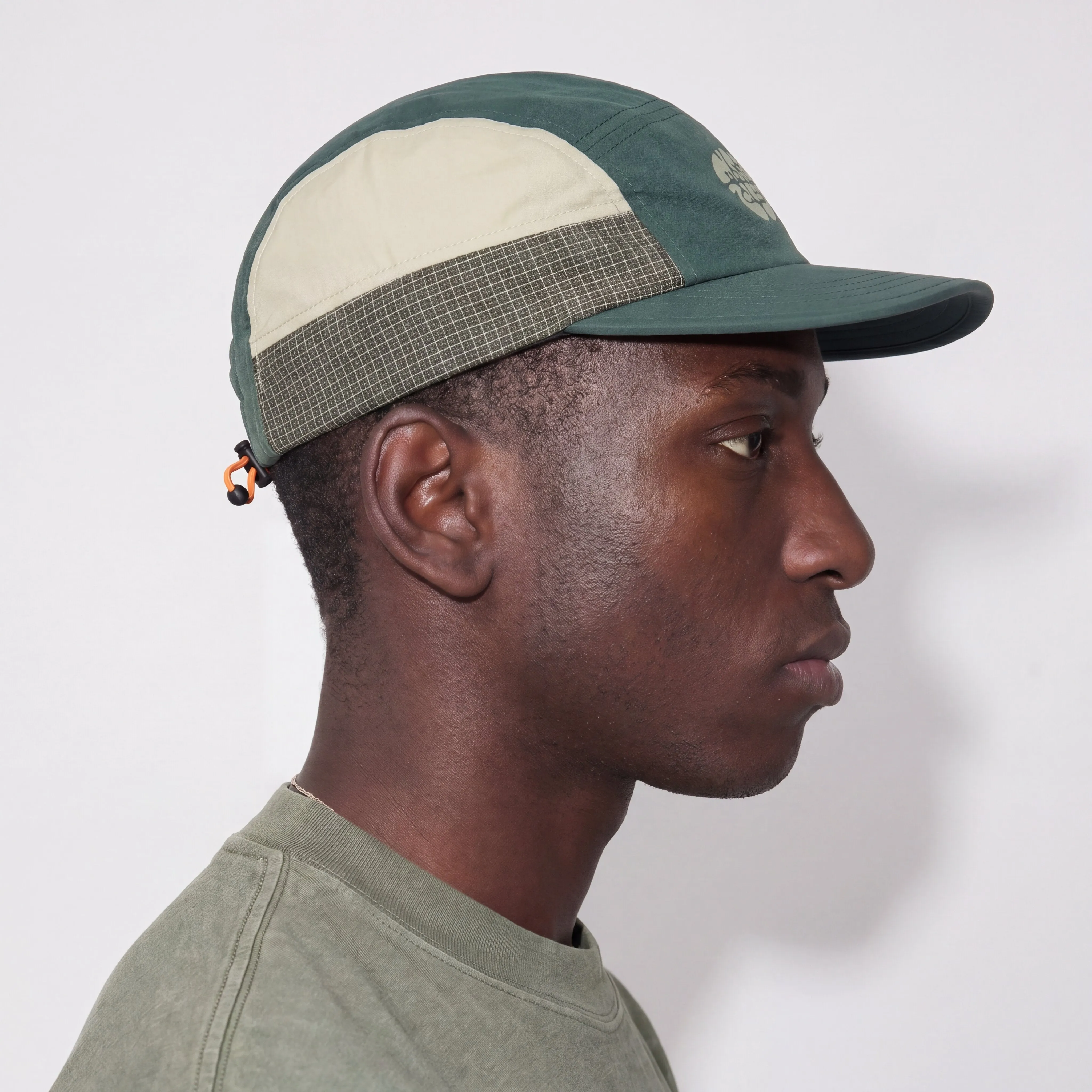
The Summit Cap is the piece in our line with a genuine argument on the mountain. Seven panels in 100% nylon, waterproof and quick-drying, with a brim that handles the sun and a shape that stays on your head in wind. Nylon dries out while you walk, which is the whole point.
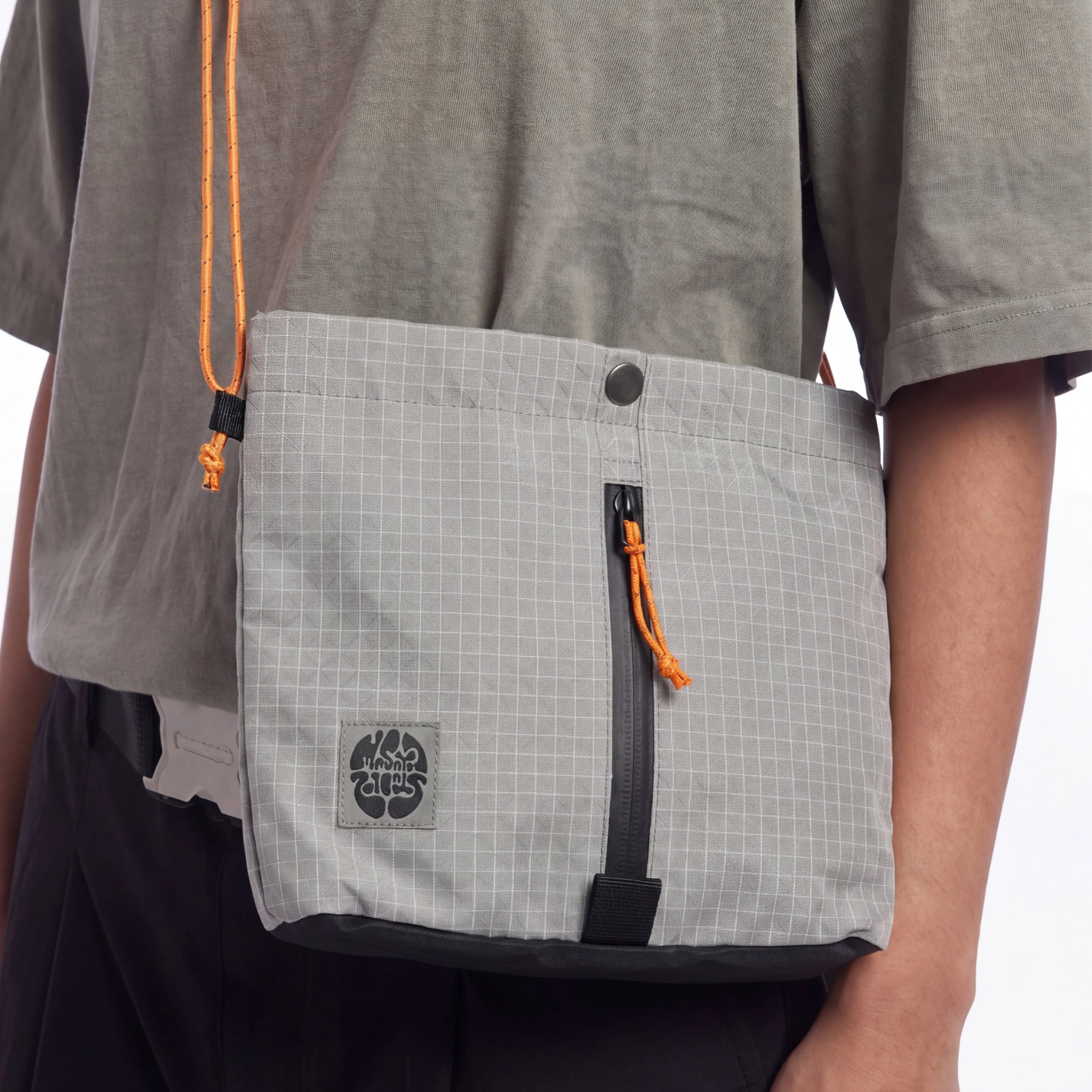
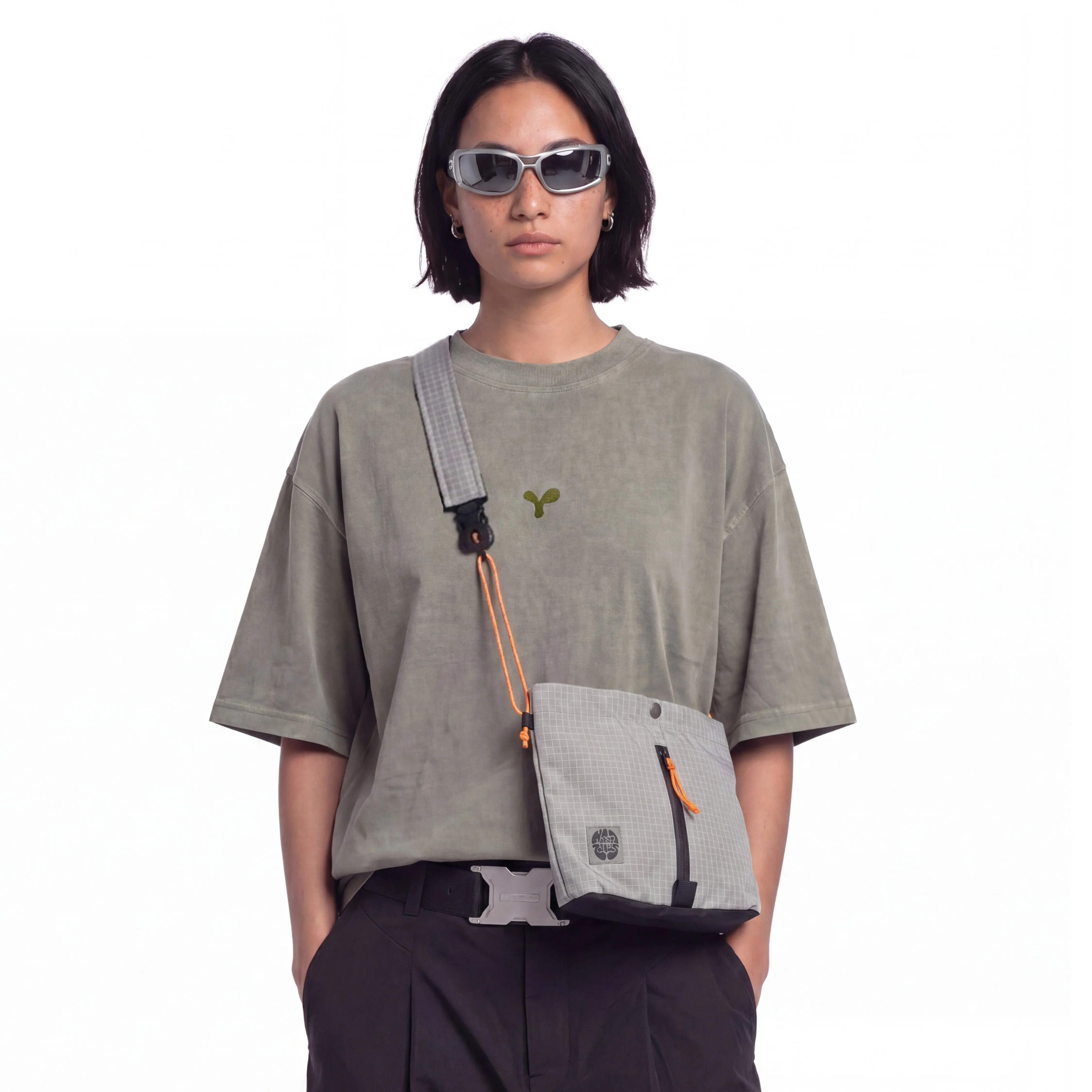
The Slingbag is an approach and town bag, not a summit pack. It holds a phone, wallet, keys and a bar. Anything alpine needs a real rucksack with hip support.
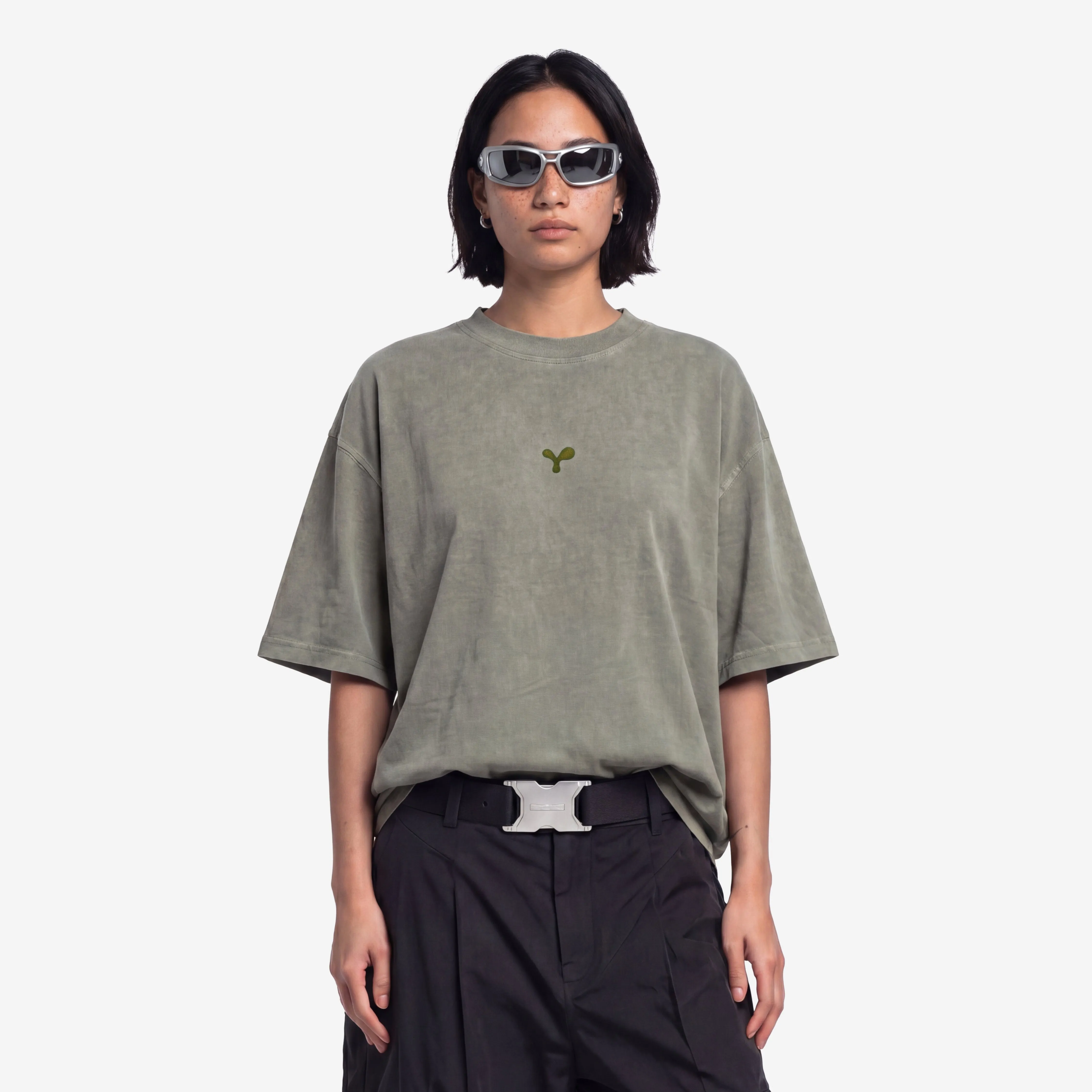
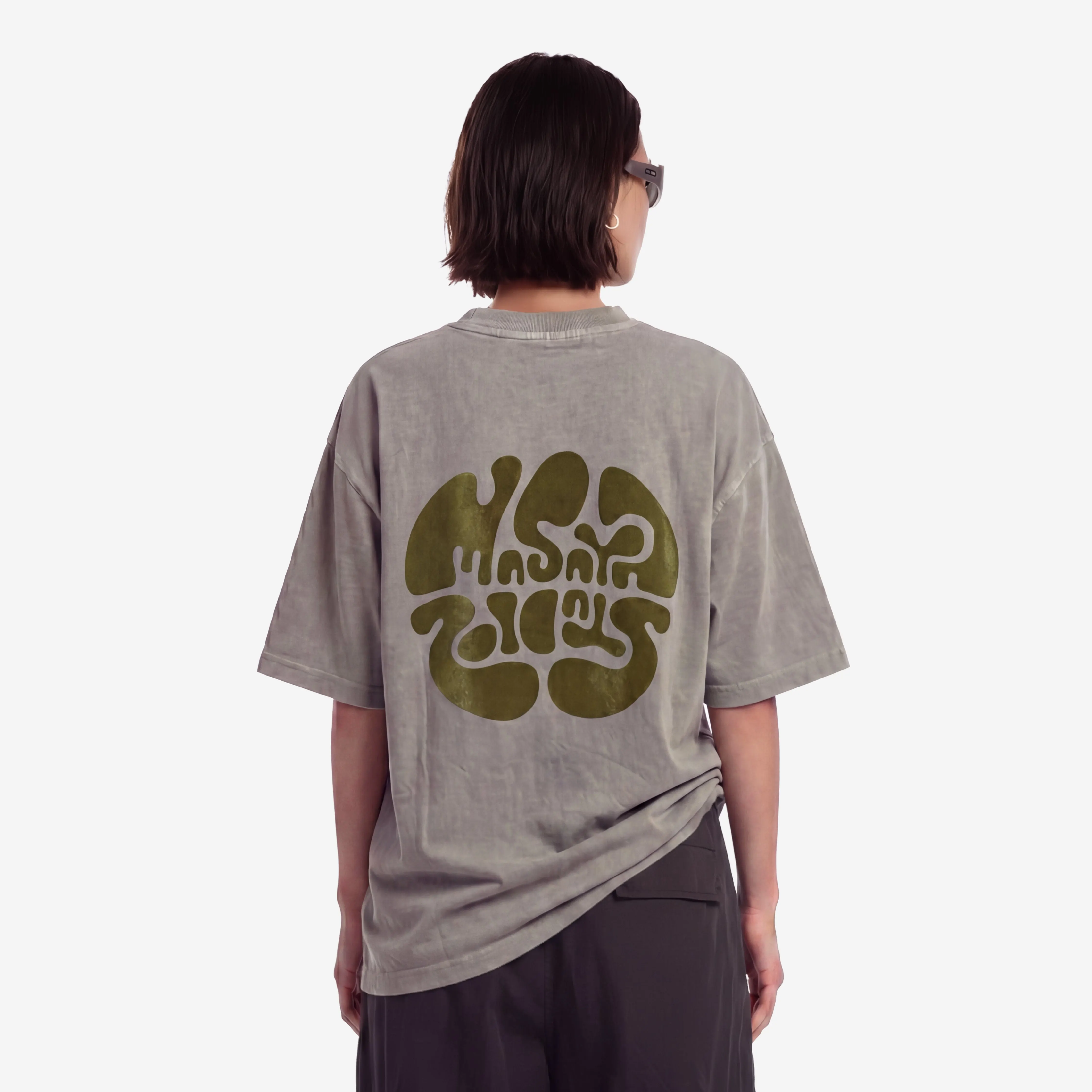
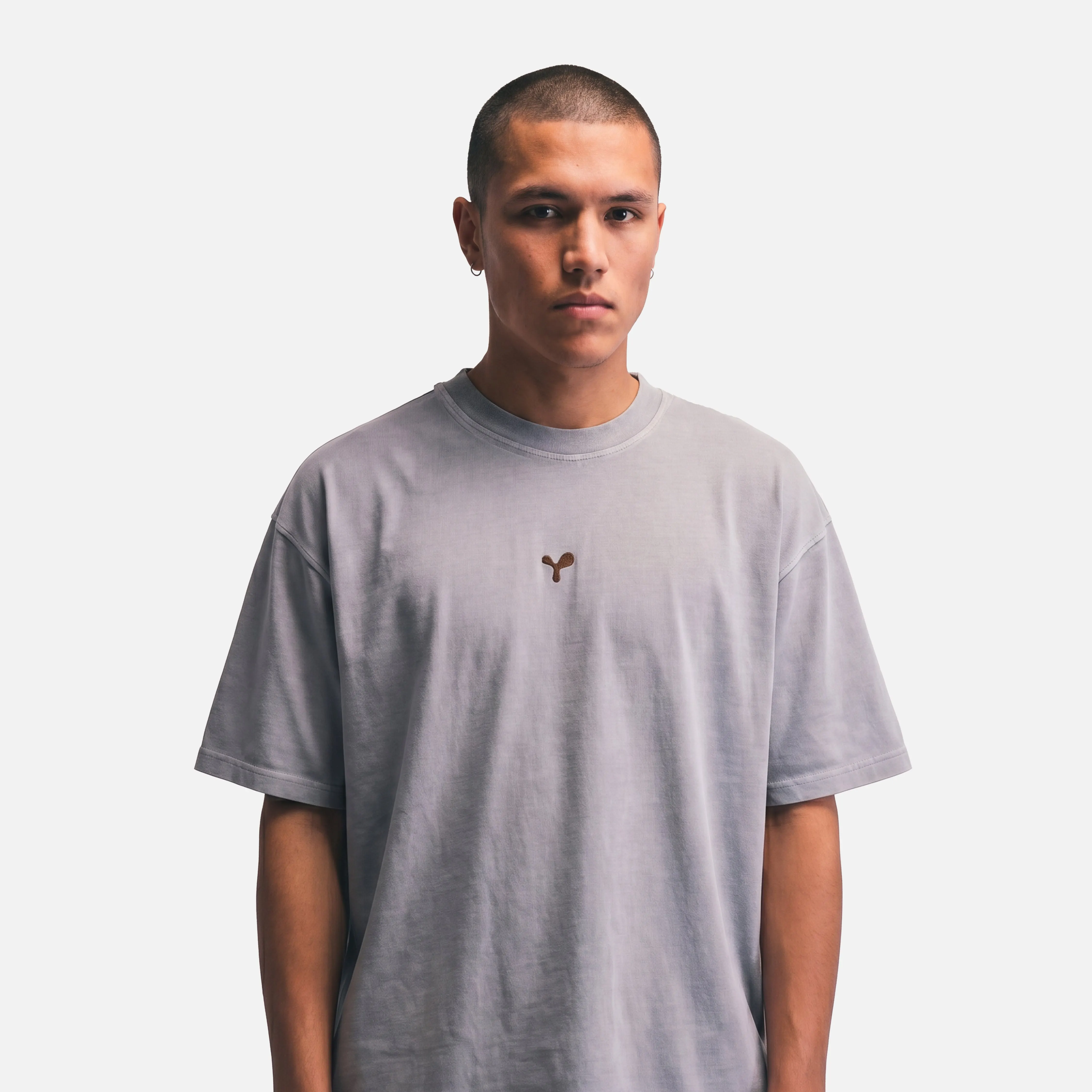
The Core Tee is cotton, 260 gsm, and it is honest about what it is: it is the thing you wear to the trailhead, at the hut in the evening, and in the town afterwards. It is not the layer you want at 2,500 metres with weather coming in.
We would rather tell you that than sell you the wrong thing and lose you as a customer the first time you get cold.